New roads
Less mines

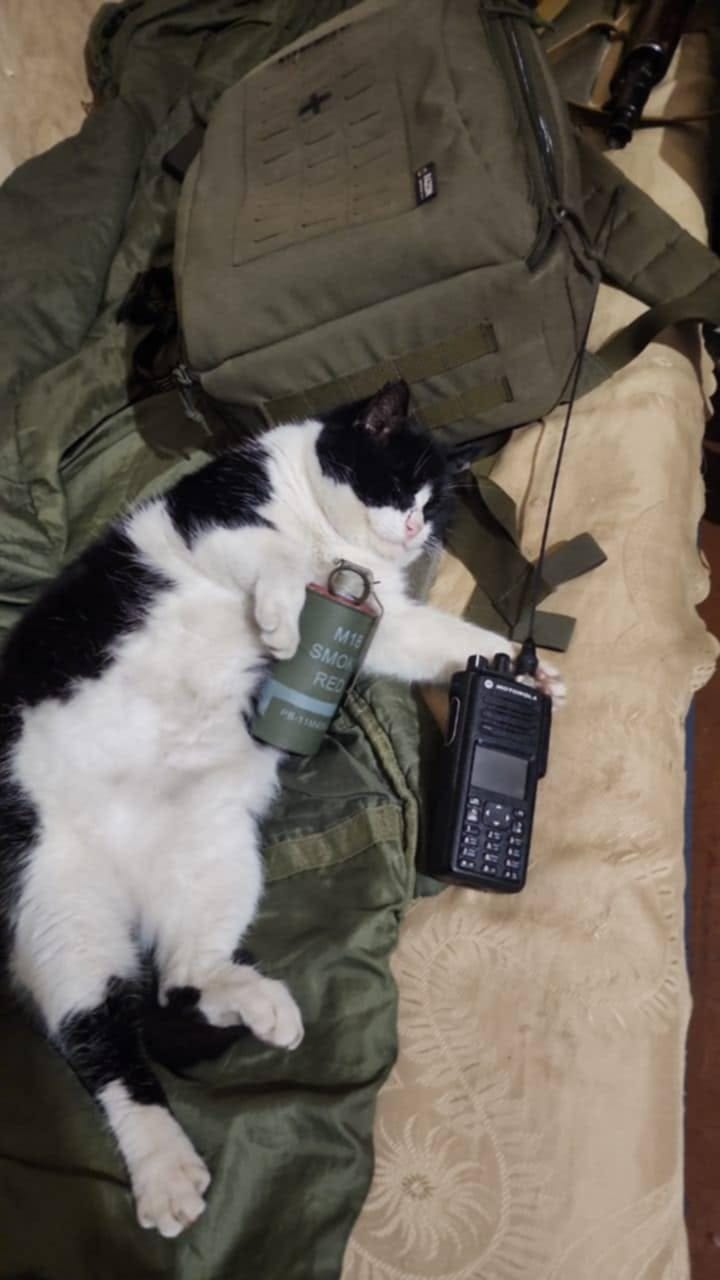
A piece of writing from the front line. Some time has passed since the below occurred, and the front lines have shifted, making anything I share here no longer an OpSec concern, including place names, and details of our stabilization point. In addition, other than the above photo, which was taken by a member of my unit, although all the photos were taken by me, here in Ukraine, some of them are illustrative and not of this particular tour at the front line.
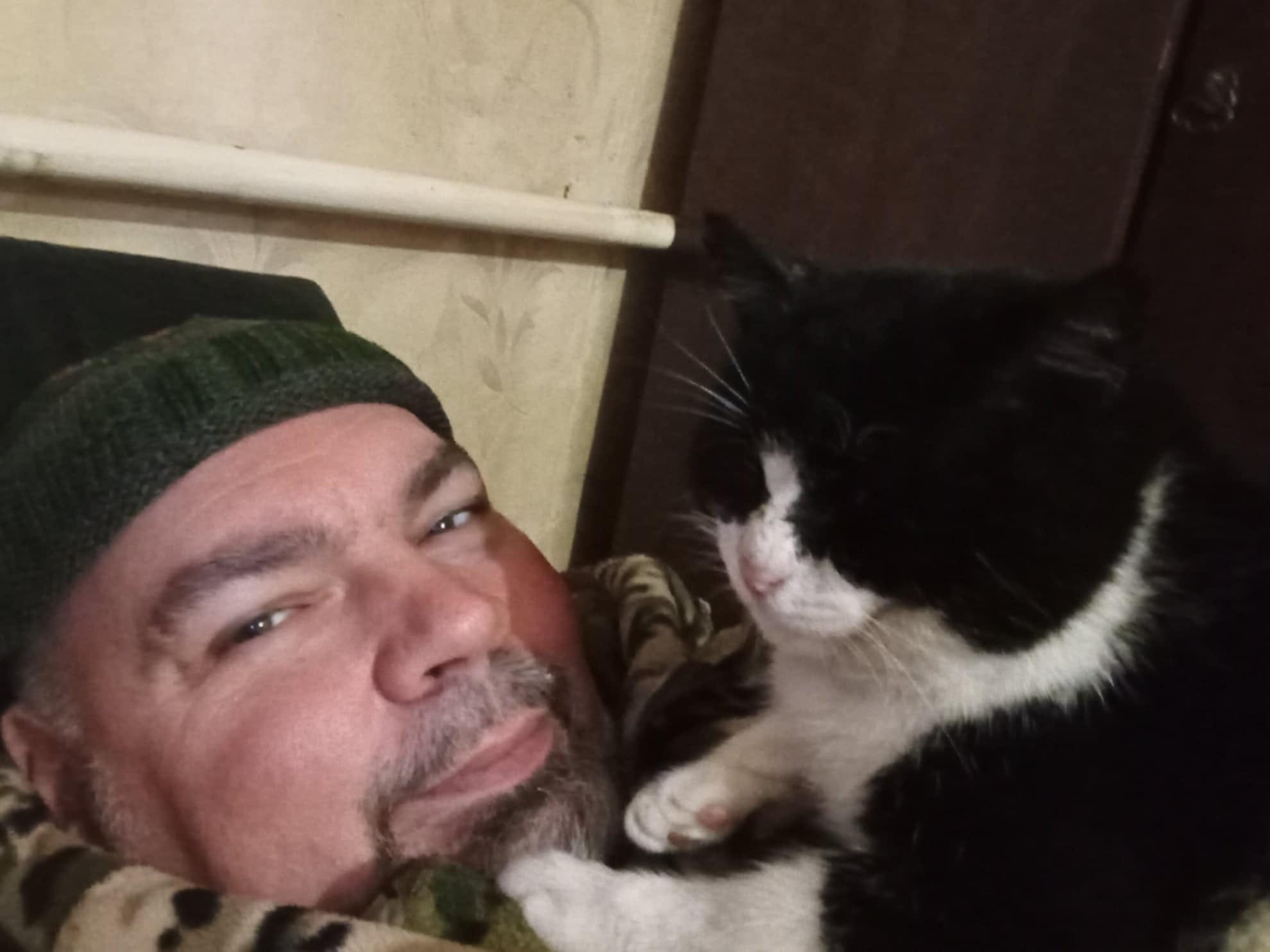
I was waiting in my bunk in the basement. I had no idea when we were finally going to roll out, so there was no point in standing around in my armor. For once, I had a lower bunk, and so didn’t need to worry about losing things over the side and having to clamber down and root around someone else to retrieve them. Space is always at a premium in the army, and you live in your bunk, often alongside a pack or two, and my inflatable camp pillows and other possessions had a tendency to jump ship when I was sleeping or moving around.
It was nice not having to maneuver my large body up onto the top bunk. I am broad-shouldered, barrel-chested and 6’ 2” (188cm), and still more than a few kilos above my ideal weight, which is a lot to begin with. It also meant I was less likely to wake anyone else when my bladder woke me in the middle of the night. I hate waking other people up. By far the best benefit of the lower bunks though was more bunker cat time. Borys didn’t spend a lot of time in the basement, but when he did, he wasn’t too inclined to make his way up to the top bunks. Any amenable human on the lower bunks was good enough for him.
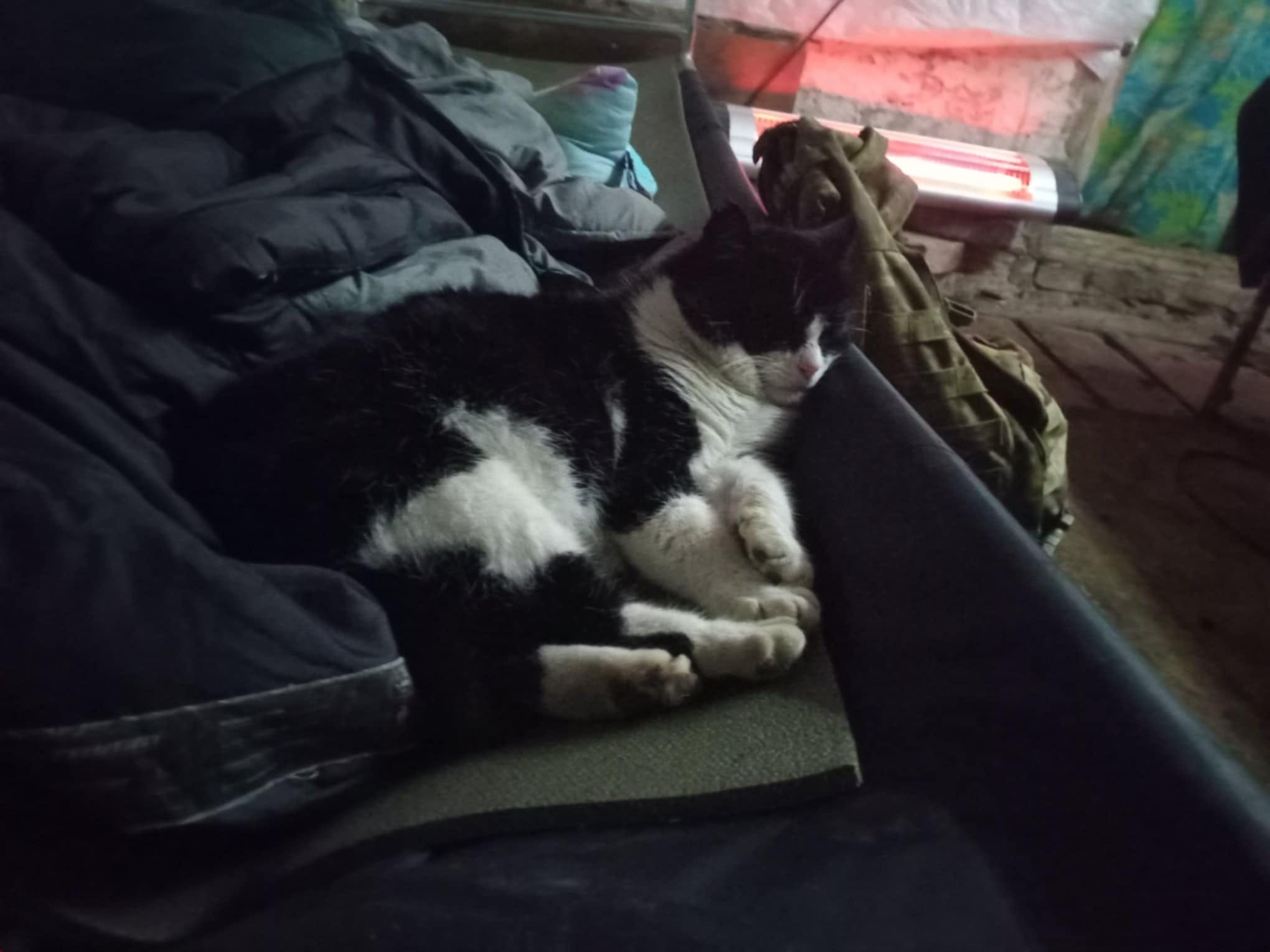
As far as shelters go, I missed the big bunker we had constructed in the Serebryankyy Forest. A basement was better than nothing, but having five layers of logs and some earth above you was much better than a small house or in this case, a garage, and I worried about being trapped under its rubble as well. This was the smallest shelter we had had so far, and I was glad and a little surprised that it didn’t trigger my claustrophobia, given that we had crammed three bunk beds and a table into this tiny basement under our stabilization point.
I sat there listening to the chatter on the army communication radio taking up nearly half the table in the basement, hoping to hear a clue as to when we would finally go. Daylight was burning. The last of it. This always happened. We’d get a heads up that we had wounded to pick up or have a trip planned to familiarize ourselves with the roads of an area, and somehow, we never got on the road until dusk, which inevitably meant making at least half the trip in the dark. My Mark One Eyeballs have pretty good night vision, but still, we’d be speeding over pot holed and shell holed roads, roads that the Russians were increasingly dropping mines onto via drones. Our unit has one whole set of night vision goggles, but driving with them is very problematic in these conditions, particularly since it provides no depth perception, so once it got dark enough, we’d be turning on our headlights, which although muted with green translucent tape would still give away our position to enemy drones overhead, which was another reason I preferred driving during the day. Sure, some of the time, driving over dusty roads, you’d leave a plume behind you that was a worse “I’m right here!” arrow giving away your position than muted headlights at night, but a lot of the time it wasn’t dusty, and right now, mud was my concern, not dust. Getting stuck near the front line could be a death sentence with all the enemy drones overhead. If they didn’t crash into you themselves, they could direct artillery onto you, and although Russian howitzers generally aren’t that accurate, some of their mortar teams are. Either way, I didn’t want to have to abandon our vehicle and try and escape through an artillery barrage on foot. Howitzers might take forever to get a direct hit on the truck, but shrapnel has a much wider radius that it is dangerous at.
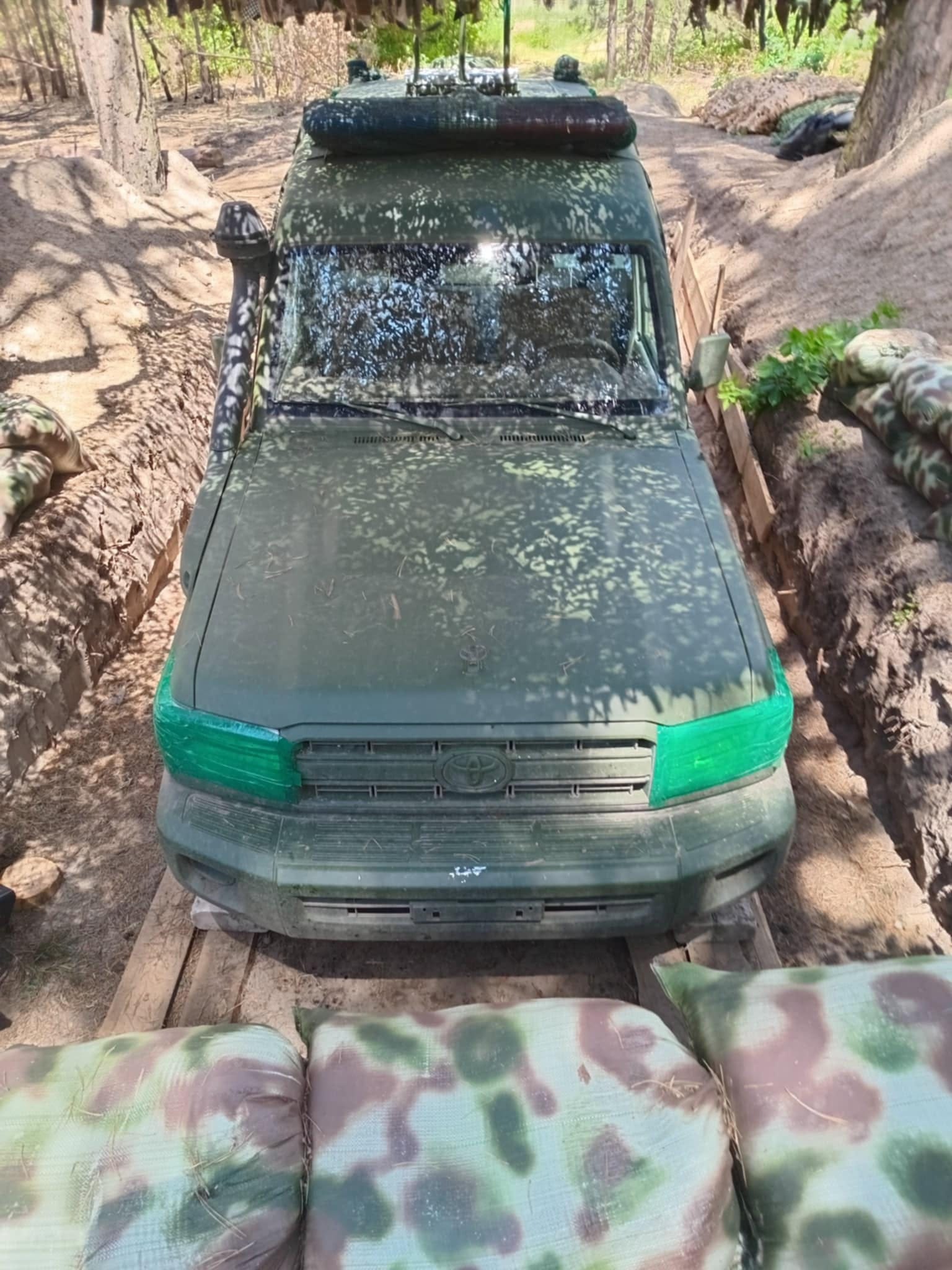
But for now, my concern was light. Once my new ambulance is ready, it’ll have night vision built in. It was already half converted when I bought it, and came with an infrared camera and a large screen on the dash. It’ll take some getting used to, but I think it’ll be better than trying to drive with night vision goggles on. The one time I tried that, our evac route had just enough traffic on it that their headlights blinded me much of the time. It’s best to black out any interior lights as well, which on some vehicles, is a lot, if all the climate controls and accessories are lit up. Between the two light sources, and the lack of depth perception driving with night vision goggles seemed worse than just taking the risk of driving with the headlights on. Of course, the infrared headlight comes with its own risks, to some drones cameras it will be lighting up the area in front of it at least as bad as if I had regular headlights on. Everything is a trade-off. And a gamble.
Finally, Oleksii came downstairs and told me it was time to go. I gently picked up Borys and set him down on the rug we had put down on the basement’s floor, got up, and started putting on my armor and filling my pockets with all the things I take out of them when I lie down. Notebook, pen, another flashlight in addition to the one in the lower pouch on my armored vest and a few other things disappeared into my pockets after I got my boots on and laced up.
It wasn’t wounded soldiers that had us heading out into more danger this time, we had to scout a new evac route. The unit directly adjacent to where the 2nd Battalion of the International Legion was holding the line a little north of Prokrovsk had been over-run by Russian armor the day before yesterday. This was a very rare occurrence in this war at this point, Russian armor was already scarce at the front lines, and maybe that’s why they managed to break through, as I suspect our infantry are lugging around less anti-tank rockets these days because they very rarely have targets for them.
Even though a dozen Russian tanks had broken through to the highway, that was about all they accomplished. Of course, they outstripped their infantry, who got hung up still fighting our infantry in the trenches, and between reinforcements arriving with bazookas, our drones attacking them, and our artillery shelling them, all the Russian armor was knocked out by the end of the day.
The brigade we were attached to didn’t want it to happen again though and decided to mine the road that the Russians used to get to the highway after they punched through our Zero Line. The same road we had been using to access our positions to evacuate wounded. So, we not only had to figure out a new route, but because much of the time we’d be driving it in the dark, we needed to familiarize ourselves with it. That, and I wanted to make sure it was actually viable, because we’d now be using dirt farm roads that I hadn’t driven over before, and I knew that the ones we had been using nearby were just barely marginal. It had taken all my skill and probably a little bit of luck to not be stuck on several of our evacuations that happened when the soil was especially wet. One of the times, I was genuinely surprised that I pulled it off, as I had a full load of infantry in the back. Between light wounds and concussion checks, five guys had crammed into the back of my ambulance, which made for seven of us, in armor, with weapons and ammo, and the infantry having their packs, all weighing down a vehicle that had struggled mightily through the mud just to get to them. Everyone’s heartfelt praise for skillfully powering through that on the way out, while artillery shells landed around us, felt good. I spend a lot of the time feeling pretty useless here, it’s nice to know my skills have value and are appreciated.
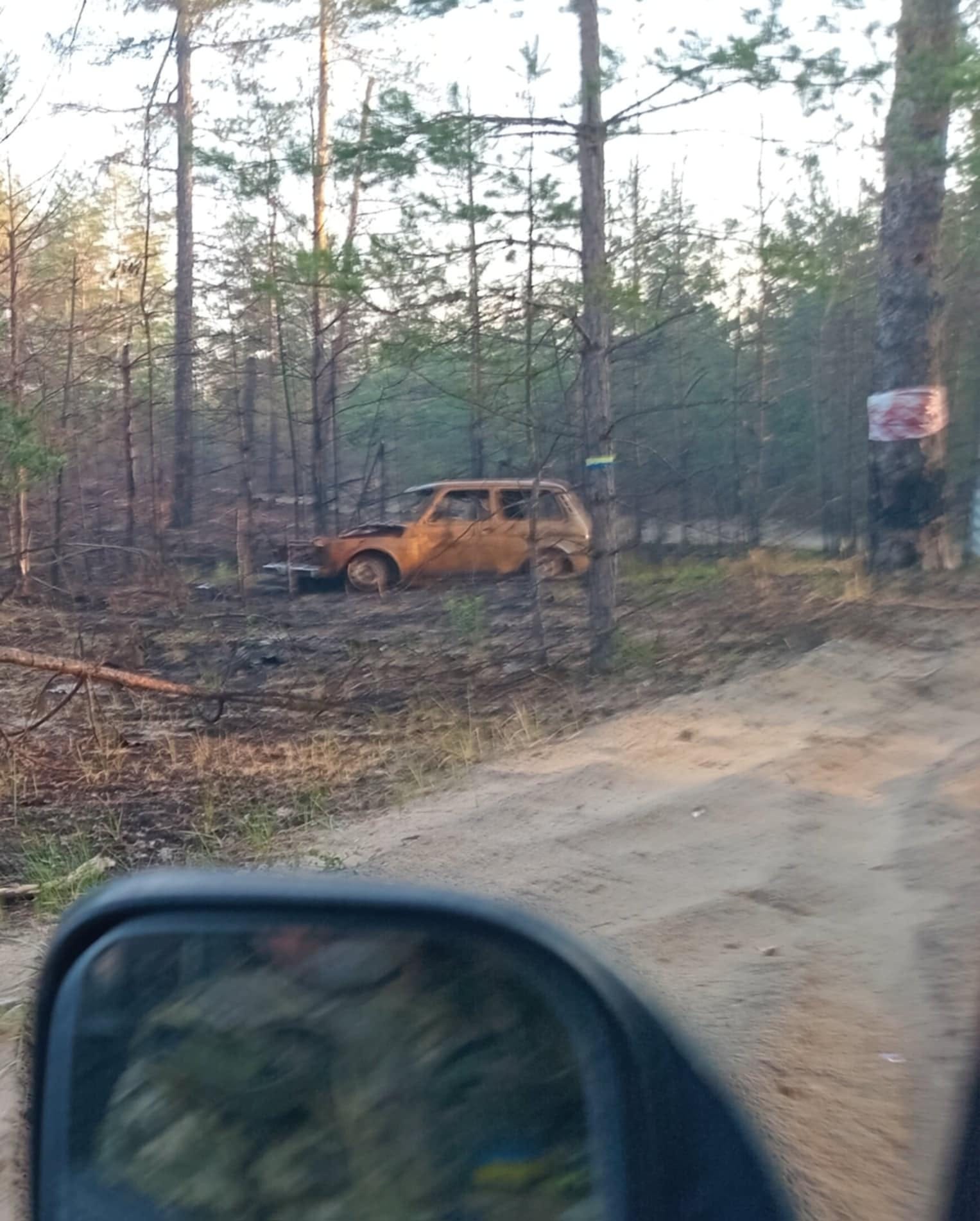
We had spent some time studying the army map for our new route, but that wasn’t the same as going over the ground personally. Now, we’d finally gotten the green light to go on our scouting mission. Oleksii, my medic, would be navigating, while I drove. In some ways, doing this at dusk was the best time, as drone activity tends to drop quite around dawn and dusk, as the drones optics are usually specialized for one or the other light conditions and so there is often a bit of a lull during changeover at twilight. Still, I wanted to see the new parts of the route, from both directions, before we ran out of light and then I wouldn’t be able to see anything to help cement the route in my memory. I’ve got a watch with a stopwatch function on it now, and I can try and scribble into my notebook as I drive, putting down shorthand for how long it is from one turn to the next, and maybe a quick note for anything like a landmark there; a shell ravaged fallen tree, or burnt out truck, but it’s not the same as seeing the route in daylight.
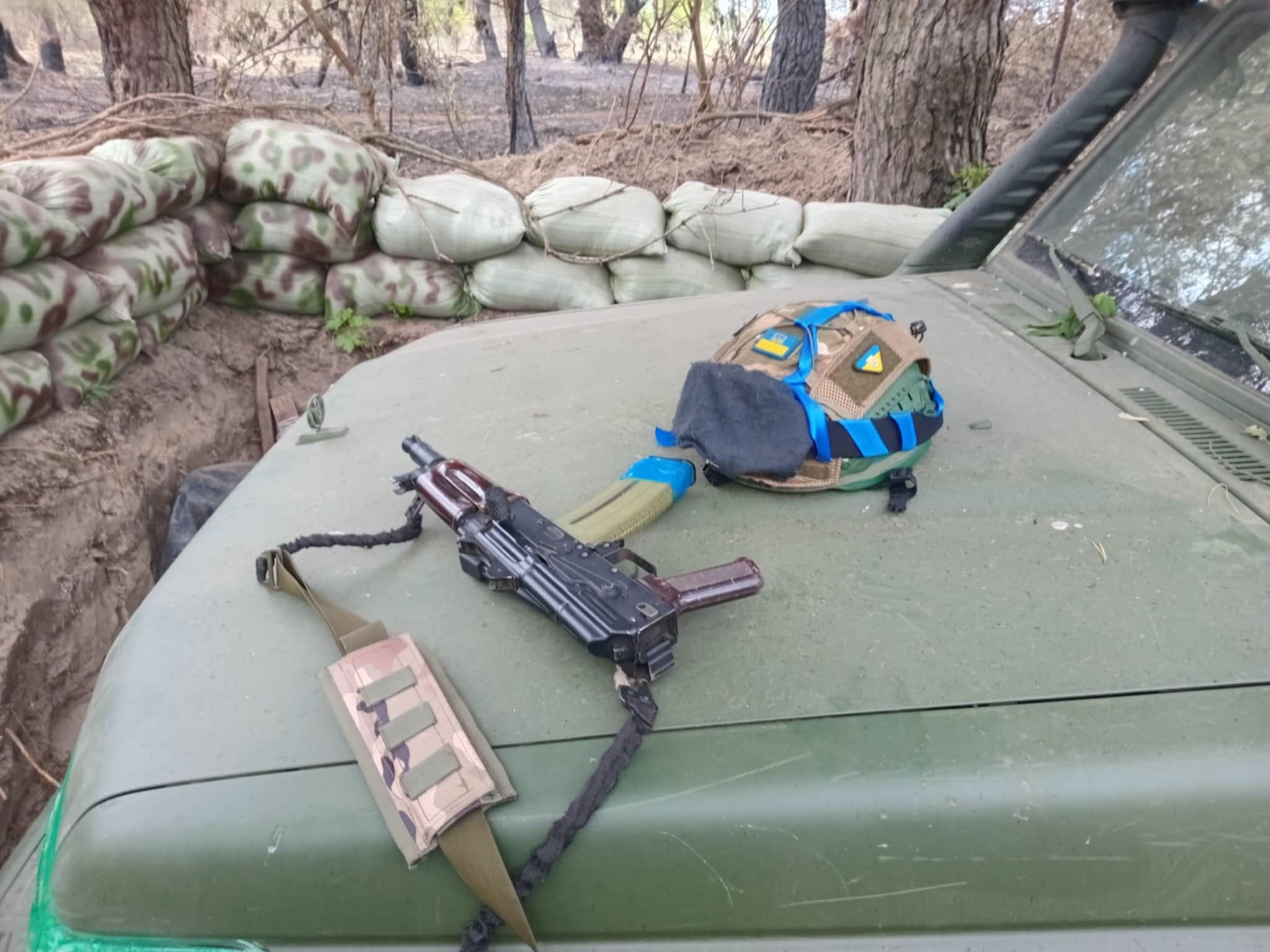
I buckled on my helmet, grabbed my rifle and my first aid kit and made my way up the stairs out of the basement, noting with dismay how low the sun was when I made it outside. I pulled the big camp battery off of its power supply and lugged it out to the back of the ambulance. The drone jammers eat a LOT of power and need their own power supply, and this is how we do it. I hefted the heavy case up into the back of the ambulance and awkwardly crawled forward and muscled it forward too, so I could nestle it into its haphazard home in the back of the rig and plug the jammers’ power supply into it. I am looking forward to my ambulance being completed, I custom designed the stretcher platform for the drone jammers’ battery to fit under it, at the back of the rig, next to the doors, sparing us this awkward crawling in and out every time we go on a run. I am always very careful with my old, damaged back when I wrestle that very heavy battery pack from the back of the crowded ambulance to the front of the rear compartment, it would be very easy to hurt ones’ back doing so.
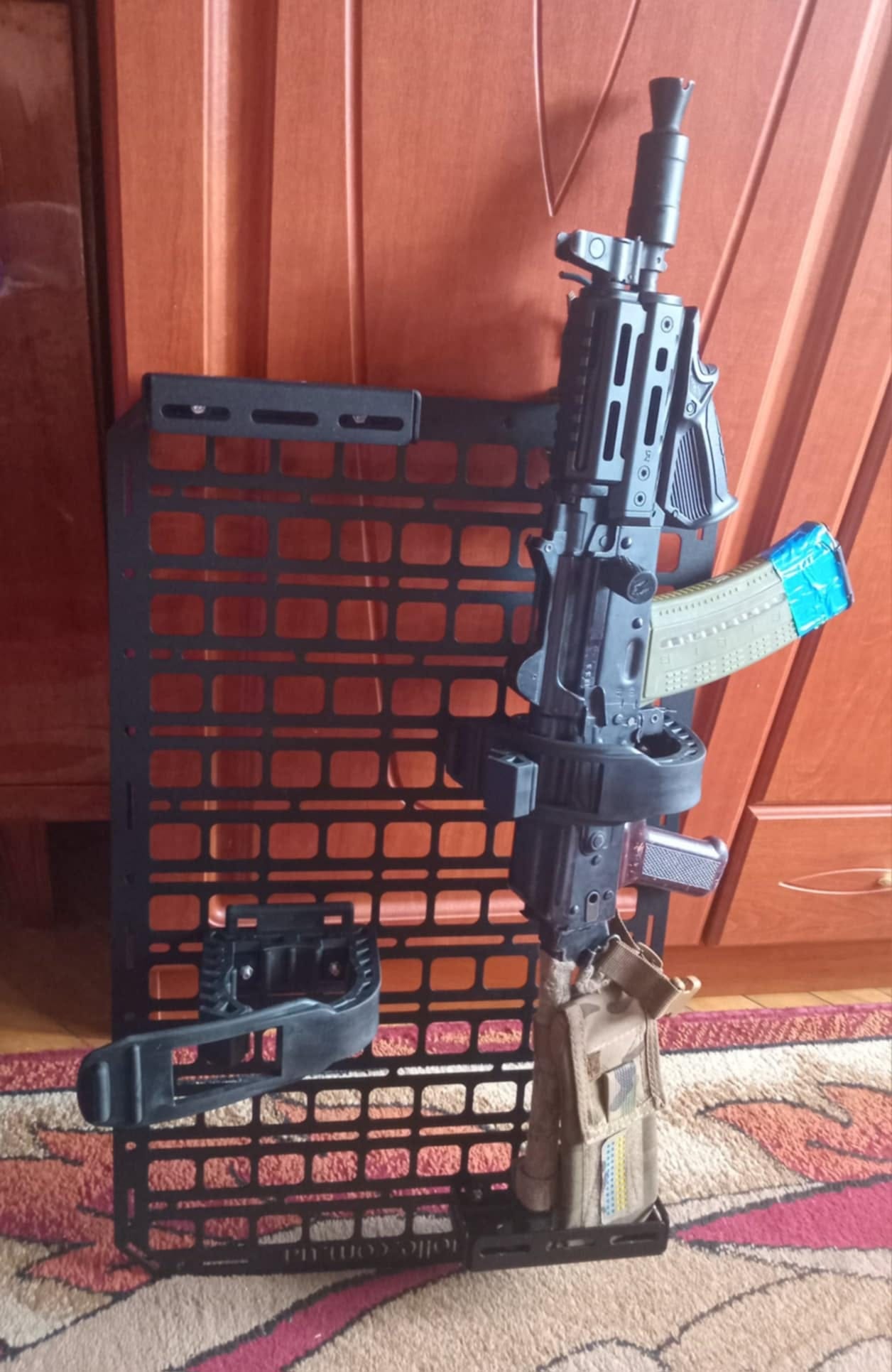
Oleksii and I hopped in, stuffing our rifles where we could. Another thing I am happy for with my new ambulance, I found a rifle rack and am having it mounted, so there will be actually somewhere to put our guns. I fired up the truck, and Oleksii fired up the jammer and tested it. These Toyota 70 Series are quite good, but the tires they come with aren’t the best for mud. My first challenge would be making it out of the front yard of the house that we were using for our stabilization point.
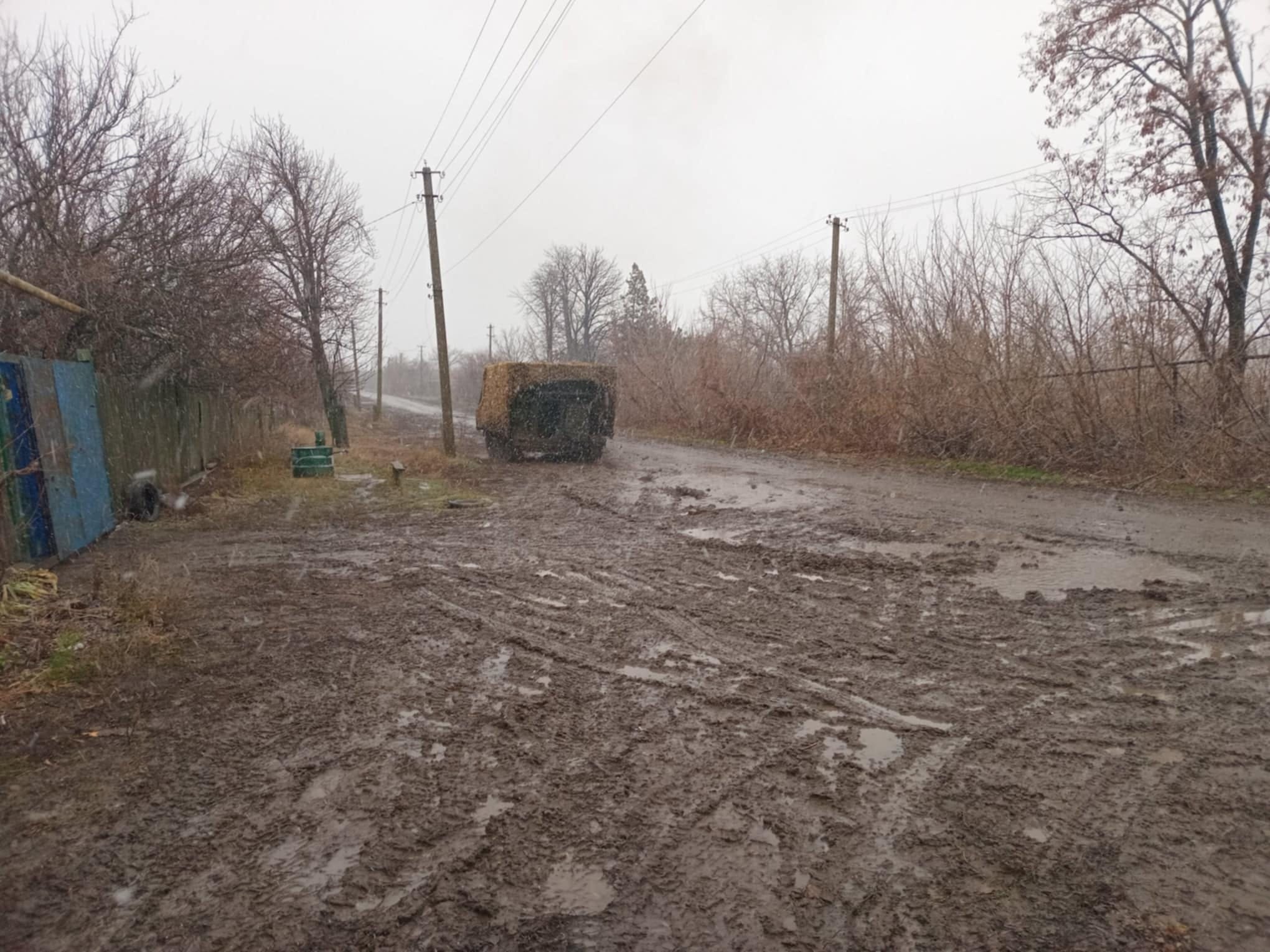
There was a tarmac road through the center of the tiny village we were set up in, and despite Russian Grad rockets working on systematically leveling the village, and big KAB glide bombs regularly landing nearby, the road was still basically intact through town. Between the tarmac and the house though was several yards of mud, and we parked our ambulance under a tree, right up against the fence just in front of the house. With all the traffic in and out of the stabilization point between wounded coming and going, and routine rotations of our team, this mud had been churned pretty heavily, and it always felt like a roll of the dice just getting out of the yard, particularly since I was starting from a dead stop. All winter long I kept hoping it’d just freeze solid and stay that way, because I’d rather deal with ice than mud, but with global warming, the Eastern Front isn’t quite like I read about it was during World War Two. It usually only froze for a few days, and then got warm enough to go back to being mud for a week or more before a few more days of jagged, frozen ruts and then the cycle repeated.
I sped us down the road out of the little village, avoiding the potholes that I had memorized already and made it across the highway without T-boning anyone. This crossing always made me nervous since the KAB bursting nearby had blown in my side window and it had been temporarily covered up with packing tape. I couldn’t see well enough out this window to see if another vehicle was approaching from my side, especially considering the speeds at which we’d both be moving, and the trees lining the side of the road. My new ambulance isn’t much better in this regard, as its side armor extends most of the way across the side window. Sometimes, you just have to roll the dice. Luckily, traffic was always quite sparse along this highway that roughly paralleled the frontline between Prokrovsk and Chasiv Yar, which wasn’t surprising, it was under fire at times, as evidenced by the shell holes cratering its surface in places. Still, we frequently saw other vehicles using it, so the risk of a simple traffic accident wasn’t outside the realm, just less of a risk than all the drones overhead, so our practice was to speed through the intersection. Oleksii called out that it was clear to our right just as we approached it, probably too fast to do anything about it at that point if it wasn’t clear, and I shrugged, trying to peer through the packing tape covering my window and mentally crossed my fingers.
We would be on tarmac all the way to the next village. This one nearly leveled from near continuous Russian bombardment. The quality of the road dropped quite a bit through here though, even before we got to the big craters in the village itself, I wouldn’t be able to dodge all of the potholes through here, and we didn’t want to slow down very much, so we’d be in for a rough ride.
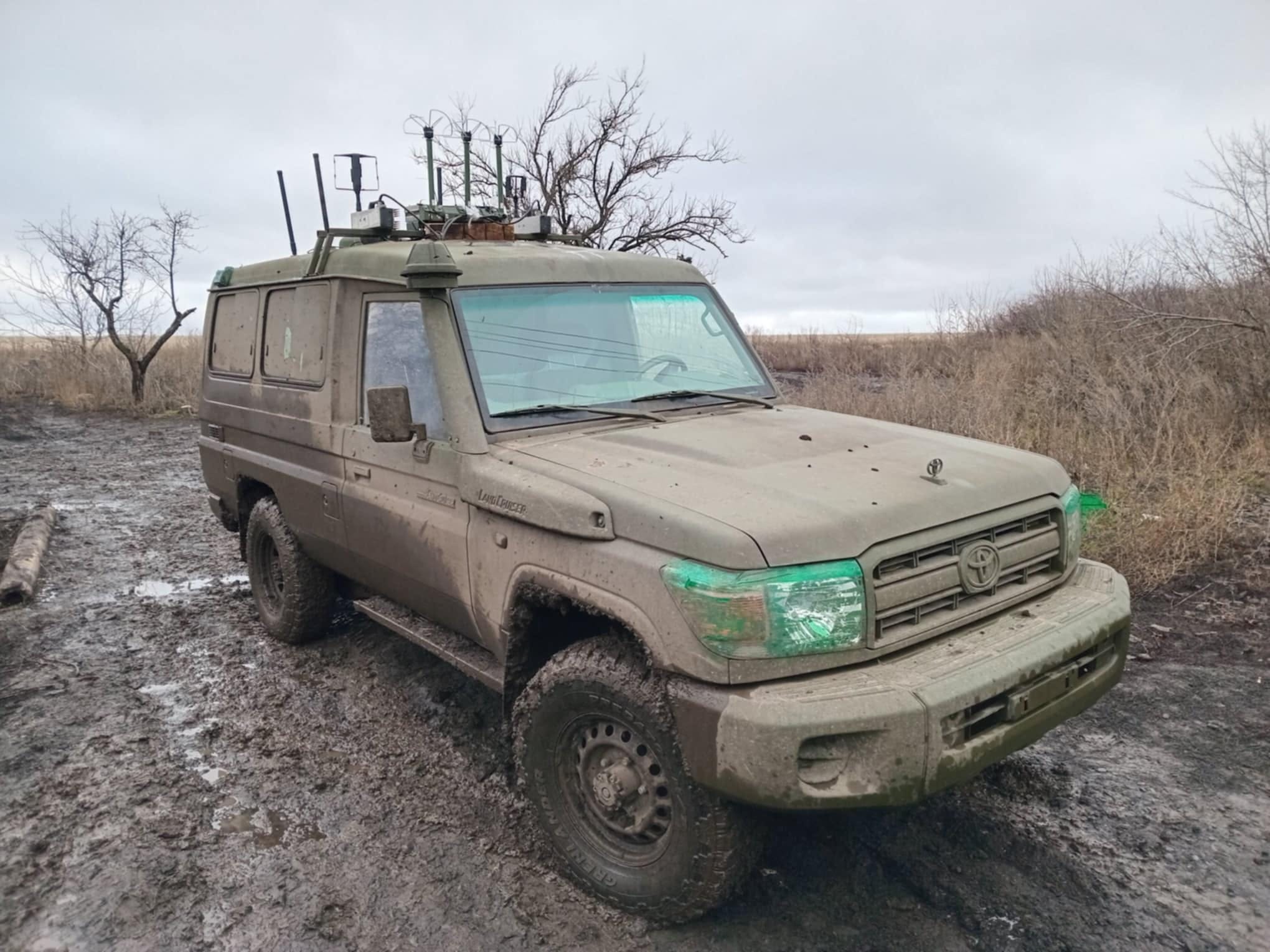
After a couple of minutes of this Oleksii asked me what that noise was. Something sounded like it was drumming against the panel van sides of the ambulance. I said “antenna”. We had started out with a jammer unit that had three egg beater style antennas, that were too damn fragile for driving under trees, but we managed, with the help of some tape repairs. Drones keep expanding into new bands for transmission to try and get around the jamming, so we had recently added a small constellation of additional antennas covering other frequencies. Unfortunately, these were all individual units, the antennas being cheap commercial ones that mounted via magnetic bases. These bases might have been adequate for smooth roads, but jouncing over Ukraine’s rough roads inevitably knocked one or two of them loose and then they bounced off the roof, hanging by their cables, slamming against the side of the rig. This is what he was hearing. I heard it too, but I take the rig out by myself sometimes, and on this tour had been taking Trauma Junior along as my field medic most trips, and had long since given up on trying to keep all the antennas up, in position. I’d make sure they were all up and positioned as best I could before we set out, but after that, just crossed my fingers that they were still jamming sufficiently despite not being optimally positioned, or that it wasn’t one of the bands that the Russians were using at that moment, because constantly resetting them was a Sisyphean task.
Just before we got to the bend in the road that took us to the shattered village, Oleksii insisted we stop so he could put the antennas back up. I grumbled and disagreed, but stopped in the middle of the road. I didn’t like it, it was futile, and we were in the open here and much closer to the Zero Line than when we had left the stabilization point, but he outranked me, and needed to see how futile this was for himself. He quickly hopped out and got the antennas that were hanging over the side of the truck back upright, sitting on their magnetic bases and hopped back in the truck, telling me to go. Everyone always feels the need to tell me to get going for some reason. I have resigned myself to this just being something people need to do, because it isn’t like I am going to spend an extra second sitting around when we should be moving. Humans have a strong desire to state the obvious though.
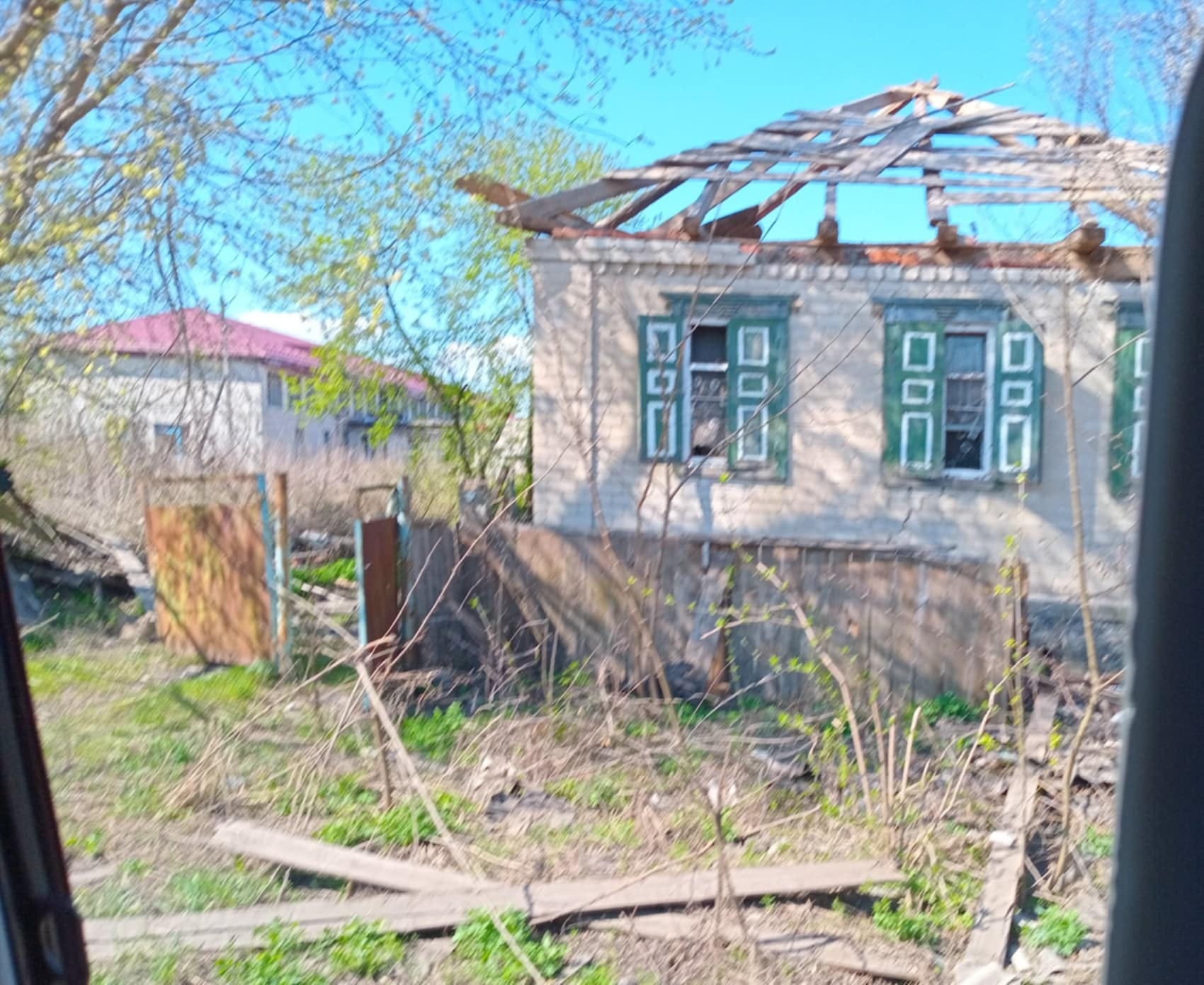
Sure enough, before we were even in the shattered village, we could hear antennas beating against the side of the truck again, as bouncing over the rough road had broken another couple free again. This time Oleksii agreed with me that it was pointless to stop and set them right again, and we continued on. Tarasivka was another little farming village of maybe one hundred homes that found itself on the frontline of this war. It looked like something out of a war movie set, with craters in the one road threading through it, powerlines draped across the road, burnt out cars lining it, and every building damaged, most with at least their rooves blown off, some completely destroyed. There wasn’t always artillery fire landing on it when I drove through it, but it wasn’t uncommon, and we could hear six inch shells landing close by as we entered the little village.
As soon as I rounded the bend into the village, and drove around the big shell crater and downed tree there, I picked up our speed as much as I could. That wasn’t as much as I would’ve liked, given the amount of debris in the road, and especially since that changed almost daily. It was harder at night, given you couldn’t necessarily memorize the obstacles, because since the last time you drove through, someone’s home might have been blown into the road, or a shell crater big enough to swallow your vehicle might have taken the place of the road.
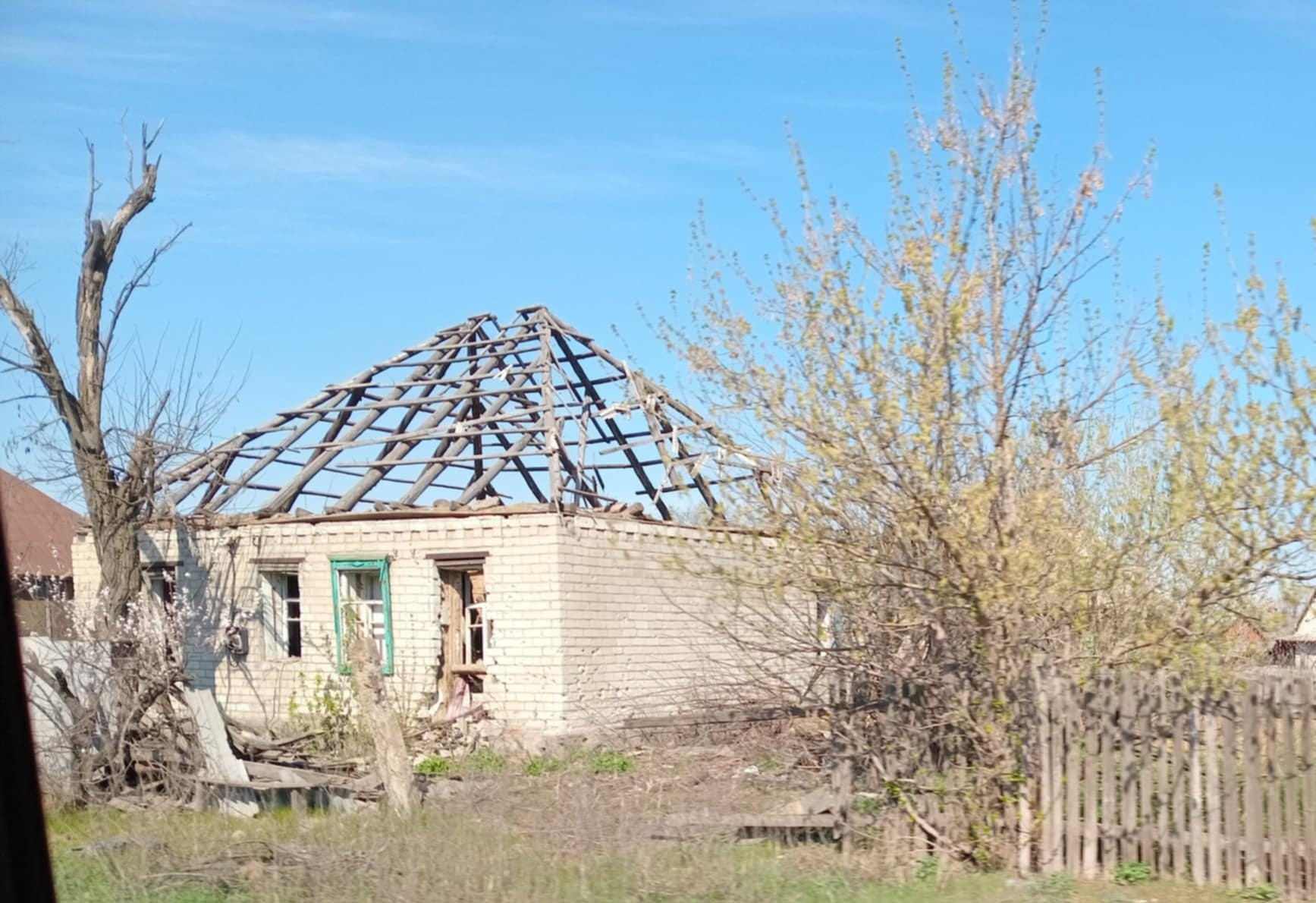
I was making mental note of the scenery as we sped past it, because I knew we’d be turning out of the village sooner than we had before on our previous route, and I wanted a landmark, hopefully one that I could spot in the dark, for our new turn-off for our new route to pick up patients at the Zero Line.
Oleksii called out the turn, and I was relieved to note it was just after the one mini-mart in the little village. Shattered, abandoned of course, but still standing, so I could use it as a landmark in the future. It was just past the second set of downed power lines across the road, but before the biggest crater eating up half the road ahead.
Like a lot of villages in Ukraine, the houses were spread out along the road through the center, and roads turned to dirt almost immediately after you leave the main road. I pulled up under a cluster of three trees and quickly switched us to four-wheel drive. From the evacuations I had done the night and day before, I knew the farm roads were very muddy right now, and we’d be lucky to not get stuck even in four-wheel drive, in fact, I debated putting into four low right there.
I got us underway as soon as I had shifted gears and we pulled past the trees was dismayed to come out onto a network of featureless fields. Nothing had been planted this year, and they all looked the same, all about the same size, close to the same shape, bordered by similar looking thin belts of trees, with patchy grassy weeds instead of crops. This wasn’t going to be easy to navigate in the dark. I wasn’t worried about today, despite the sun setting and it already getting darker, but I knew I’d be coming back out here in the full dark, and this was all going to look the same then. I’d just have to memorize a sequence of turns and about how long it was between them, as we zig-zagged between fields, making our way to the Zero Line.
At least this route had the advantage of not taking us within direct view of the Russian frontline like our previous route had. I still don’t know how they didn’t manage to machinegun us any of the times we had to cross those gaps in the tree lines between the fields. One of those gaps had to be at least forty meters long, and to cross some of them, I had to drive around the Russian side of the tree line between the fields for a minute before I could duck back behind our side of the tree line. That was always very nerve wracking, especially since the mud was deep, and deeply rutted, and we were basically doing a hairpin turn, so it couldn’t be done very fast. Driving past our knocked out M113 and a burnt out pick-up truck made the danger very real.
Although the new route didn’t have the added danger of being in direct view of the Russians in their trenches at the other end of the field we were traversing (thankfully, those fields were quite long, probably about 800 meters, but still!), not only were enemy drones overhead, but we had to worry about artillery too. Especially since we could hear rounds impacting in Tarasivka as we passed through it, we could expect that like always, there was probably at least one spotter drone up right now. In addition, the Russians had penetrated the line right near here less than two days before. It wasn’t beyond the realm of possibility that some Russian infantry that had slipped through our lines were hiding in the tree lines we were driving past. If so, hopefully their aim would be as bad as when I had a friendly fire incident in a similar situation.
My instinct was to drive slow. Yeah, we had maps that showed some of the minefields, but in my experience, not all of them showed up on the map. That, and the unfamiliar terrain made me want to drive slow. With drones overhead, and not wanting to get stuck in the mud, I needed to drive fast though, and I didn’t want to stop. Stopping in mud sometimes means you can’t get moving again. By the second turn though, the mud and ruts were deep enough that I decided to risk stopping in order to switch into low gear, we had come seriously close to being stuck a few times already. I risked driving off the road into the grass growing over the unplowed field to do so. There was more risk of mines there, but it didn’t look like a spot that I would emplace mines. There was also some risk of sinking into the mud there, but I judged it as less than stopping in the tore up earth of the muddy track.
Despite all my struggles with the mud here so far, I hadn’t tried it in four low before. When we first got one of these trucks, I tried out four low and decided it was near a rock crawling low gear and that we didn’t have much use for it. If there had been a decent spot to pullover without worrying about getting stuck, and we weren’t under fire, I might’ve tried it on the worst parts of the other route we had been using here on this front, but the circumstances were such that I just always bulled through in regular 4 wheel drive instead there.
I was pleased to manage to get back under way again, and also not set off any mines, but as I worked my way up through the gears I was reminded how low geared four low really was. Both the engine and the rear end were whining as I picked up speed, and my top speed wasn’t great, and I could tell I was pushing the poor truck to do even that. Luckily, it was brand new, and a Toyota, so I decided I’d stick it out in four low for a while, especially since I was deeply worried about how bad the muddy track was ahead and I knew we had a little ways to go yet.
So, Oleksii and I maneuvered through the fields, the trucks gears whining, him directing me, and me trying to memorize the route for the times that my medic would be in the back and I would be alone in the front, in the dark, trying to find my way out of a maze of fields that all looked the same. You can’t really stop and look at the map under artillery fire, with drones overhead, in very muddy ground. Eventually, we got one field away from our pick-up point, and decided that was close enough. We didn’t need to risk taking fire, or bring it down on our own guys by attracting attention there. I had him warn me before we reached the turn-around point for this trip so I could try and pick out a decent spot to do so, in a place that other vehicles probably hadn’t been doing so and made one already. Again, I put his nerves on edge when I decided to really take the vehicle off-road and drove into the field again to do a rolling turn-around rather than stopping in the road and doing a three point turn in the mud. It had the added benefits of being faster, which just a few hundred meters from the Zero Line, and the greatly increased numbers of drones here, was a good thing, but some of my passengers think that anything outside the ruts might be mined and don’t like leaving the roadway at all. I use a lifetime of studying the military and think about where I would put mines if I was emplacing them to occasionally take a calculated risk and go off the road. It hasn’t bitten me yet. Knock on wood for me.
Oleksii pointed out that he could smell the rear transaxle fluid because it was getting hot with me driving comparatively fast in four low. I smelled it too, but I didn’t want to take the risks of stopping here to shift gears and trusted I could push it a bit more and started retracing our steps. Again, I tried to memorize the route, now in reverse, for when I would have to be doing this alone, without someone beside me tracking us on the map and calling out turns, and in the dark, possibly with screaming wounded in the back and shells falling around us. Again, I noted that it was featureless fallow fields with very similar belts of trees bordering them and resigned myself to having to just memorize a set of turns, now in reverse.
We both listened to the rear end whining, smelling the hot gear oil, as the truck struggled in four low through the mud and deep ruts on our way back across the farm roads. Even in four low, we nearly got stuck several times. By now, I had decided that whatever advantages four low might’ve provided in the worst of the muddiest parts, it definitely wasn’t the way to go, but I pushed on until we were back out of the fields on the edge of town. I didn’t like cooking the gear oil like that, but it beat getting stuck in the mud between an artillery barrage coming down and the Zero Line, with all the drones overhead here.
After happily switching out of four-wheel drive altogether, I drove us back through poor shattered Tarasivka, over the fallen power lines, around the craters and houses blown into the road, and the downed trees, our antennas thumping against the sides of the truck as we raced away into the darkness, another trip into even more danger than we were normally in coming to an end.
.
.
🫀🫂
You da man’